Bouquets for weddings at Cedars Park Cheshunt
Posted on 12/10/2026
Bouquets for weddings at Cedars Park Cheshunt: a practical guide to choosing flowers that feel right on the day
Planning a wedding near Cedars Park in Cheshunt brings its own kind of charm. You have the greenery, the local setting, the mix of indoor and outdoor moments, and that slightly emotional buzz that seems to hang in the air on the morning itself. When people search for Bouquets for weddings at Cedars Park Cheshunt, they are usually trying to solve a few things at once: what will suit the venue, what will photograph well, what will last through the day, and how can the flowers feel personal rather than generic?
This guide walks through exactly that. It covers bouquet styles, seasonal choices, practical planning, and the small decisions that make a big difference. If you are choosing bridal flowers, bridesmaid bouquets, buttonholes, or matching arrangements for a wedding at Cedars Park Cheshunt, you will find clear advice here without the fluff. And yes, there is a bit of real-world common sense too, because weddings rarely go perfectly to script, do they?
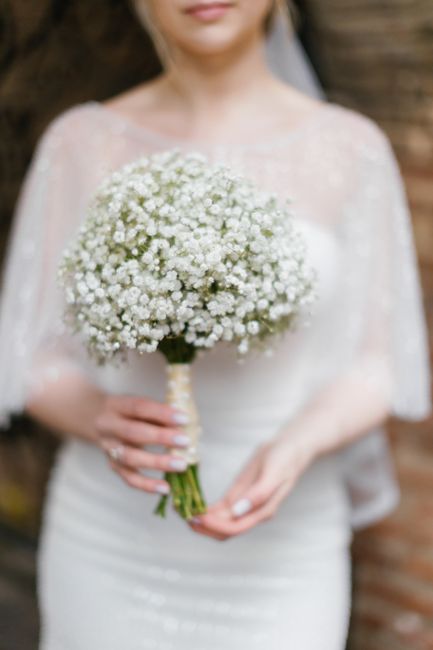
Why Bouquets for weddings at Cedars Park Cheshunt matters
A wedding bouquet is not just a bunch of nice flowers. It is the one floral piece the bride is likely to hold all day, the one that appears in nearly every photo, and often the element that quietly ties the whole look together. For a wedding near Cedars Park Cheshunt, the bouquet has to do a lot of work. It needs to suit the location, the season, the dress, the bridesmaids, and the overall feel of the celebration.
Cedars Park itself suggests a more natural, relaxed setting than a highly formal city venue. That often means bouquets can lean soft, airy, romantic, or garden-inspired rather than stiff or overly structured. Of course, you can still go bold if that is your style. There are no flower police. But it helps to think about how the bouquet will sit within the space, especially if you are walking outdoors, moving between photos, or dealing with a bright summer day, a breezy evening, or the classic British possibility of a little drizzle. Very British, really.
Choosing the right bouquet also matters because it affects confidence. Brides often say that once the flowers are right, everything starts to feel real. The bouquet becomes part of the emotional shape of the day. It can soften nerves, reinforce the colour palette, and make the ceremony feel more cohesive. That is a small thing, maybe, but not really small when you are standing there waiting to walk down the aisle.
Expert summary: the best wedding bouquets are not always the most elaborate ones. They are the ones that feel balanced, comfortable to hold, and visually connected to the dress, the venue, and the rest of the floral design.
How Bouquets for weddings at Cedars Park Cheshunt works
At a practical level, wedding bouquet planning usually begins with the style of the day. You might already know your dress, venue, and colour scheme. Or you might only have a vague sense that you want "something elegant but not too much." That is perfectly normal. In fact, it is more common than people admit.
The process usually works like this:
- Start with the setting. Cedars Park Cheshunt may inspire softer, garden-style bouquets, but the exact look depends on the rest of your wedding.
- Choose a colour direction. Whites, blush pinks, creams, rich reds, purples, or mixed seasonal shades all create very different moods.
- Decide the bouquet style. Round, hand-tied, cascading, loose meadow-style, or structured and compact.
- Match the supporting flowers. Bridesmaid bouquets, buttonholes, corsages, and table flowers should feel related without being identical.
- Check practical details. Stem length, comfort, weight, vase life, transport, and whether the flowers need to survive photos before the ceremony.
For couples who want a cohesive wedding flower plan, it often helps to look at broader wedding ranges as well as bouquet-specific pieces. You may find it useful to browse the wedding collection for a wider sense of what can be paired together, or to compare a few bouquet styles such as the I Cherish You bridal bouquet and the SI bridal bouquet. Those pages can help if you are still deciding between classic elegance and something a little more romantic and modern.
Most good wedding bouquet planning also factors in timing. Flowers for a morning ceremony may need to be arranged, delivered, and stored differently from flowers for an afternoon event. If a bouquet is being used for both ceremony and photos, it may need to be especially resilient. That is the kind of detail people only remember when they have been standing in warm sunlight for twenty minutes and realise the roses are opening fast. Lovely, but worth planning for.
Key Benefits and Practical Advantages
The right bouquet does more than look pretty. It helps the whole wedding feel settled. Here are the most useful benefits couples usually notice when the bouquet is chosen well.
- Better visual harmony: The bouquet can bring together dress details, bridesmaid outfits, and venue style without feeling forced.
- Stronger photos: Flowers add shape, softness, and colour contrast, which matters in both close-up and full-length images.
- Less stress on the day: A bouquet designed with practical handling in mind is easier to carry, hold, and move with.
- Personal expression: Flowers can reflect personality, heritage, season, or family meaning.
- Clearer coordination: Matching bridal bouquets with bridesmaid flowers, buttonholes, and table designs creates a polished result.
There is also a less obvious benefit: a bouquet helps define the mood of the day. A white and green bouquet says something very different from a deep red rose arrangement, and both are valid choices. The point is not to follow a trend. The point is to create the feeling you want when you look back at the photos in ten years and think, yes, that was us.
If you are working to a tighter budget, you can still achieve a beautiful result by using seasonal flowers, simpler shapes, or one strong focal flower repeated in a few places. A bouquet does not have to be huge to feel special. In fact, a compact bouquet can sometimes look more elegant, especially in a relaxed local setting.
Who This Is For and When It Makes Sense
Bouquets for weddings at Cedars Park Cheshunt make sense for a wide range of couples, but they are especially useful if you want flowers that feel thoughtful rather than off-the-shelf.
- Couples planning a local wedding who want floral designs suited to a Cheshunt setting.
- Brides who care about photography and want flowers that hold their shape in pictures.
- People with a defined theme such as romance, luxury, classic white, garden style, or seasonal colour.
- Couples managing a busy schedule who need dependable planning and delivery.
- Anyone coordinating multiple floral pieces such as bridesmaid bouquets, buttonholes, corsages, and table arrangements.
It also makes sense if you are not entirely sure what you want yet. Truth be told, many couples begin with one or two clues only. Maybe the bride knows she likes peonies but not too much pink. Maybe the groom wants buttonholes that are subtle rather than fussy. Maybe the venue feels informal, and the flowers need to match that mood. That is enough to start from.
For example, if your wedding leans classic and polished, a white palette can work beautifully. If you want something softer and more romantic, blush tones and garden flowers may feel more natural. And if the day has a stronger contemporary edge, a bouquet with shape, texture, and a little contrast can stop everything from looking too sweet.
Step-by-Step Guidance
Here is a simple way to approach bouquet planning without getting lost in the options. It sounds obvious, but breaking it into steps keeps things calm.
- Define the mood. Ask yourself: do you want romantic, modern, classic, natural, or dramatic?
- Review the dress and colour palette. Look at fabric tone, lace, embellishment, and the bridesmaids' outfits before picking flowers.
- Choose the bouquet shape. Round bouquets suit formal looks, while looser styles suit softer weddings.
- Select the flower mix. Decide whether you want roses, lilies, alstroemeria, orchids, lisianthus, hydrangeas, or a mixed seasonal style.
- Think about scale. A small frame usually suits a more delicate bouquet; a larger, more dramatic dress may handle a fuller design.
- Check handling and comfort. The bouquet should feel pleasant in the hand, not like you are lugging a shopping bag of stems around.
- Coordinate supporting flowers. Add bridesmaid bouquets, groom buttonholes, corsages, or table pieces once the main bouquet style is set.
- Plan delivery timing. Make sure the flowers arrive with enough time for setup, photos, and any adjustments.
One useful approach is to begin with a bridal bouquet and build the rest of the flowers around it. This keeps the look coherent. If you start with too many pieces at once, it becomes oddly difficult to make decisions. That is the wedding version of opening too many tabs on your browser and suddenly nothing makes sense anymore.
If you want a more coordinated collection, a set like the I Cherish You wedding collection or the White Wonders wedding collection can give a clear starting point. Couples often find that once one part of the floral plan clicks, the rest becomes easier.
Expert Tips for Better Results
Small details matter more than people expect. In our experience, the difference between "nice flowers" and "those flowers looked incredible" usually comes down to a handful of practical choices.
- Pick flowers that suit the season. Seasonal blooms generally look fresher and feel more natural in the setting.
- Consider texture, not just colour. Soft petals, open blooms, buds, and greenery add depth without needing extra size.
- Keep the bouquet balanced in weight. If it feels awkward after a few minutes, it will feel worse after an hour.
- Let one flower lead. A bouquet often looks stronger when one bloom type does the main work and the others support it.
- Match the bouquet to the dress silhouette. A detailed dress can handle a simpler bouquet, while a plain dress may welcome more floral texture.
- Use bridesmaid flowers as a bridge. Slightly smaller versions of the bridal bouquet help unify the whole party.
A very practical tip: ask whether the bouquet will be used for photos before the ceremony, during the ceremony, and again after. Some flowers are more tolerant than others, especially in warm weather. If it is a July afternoon and the photographer wants "just one more shot" in the sun, you will be glad you planned for longevity. Small mercy, that.
Another tip is to keep one or two backup ideas ready. If a particular bloom is unavailable or not at its best, having a second option avoids last-minute compromise. Good floristry is often about adaptation, not perfection.
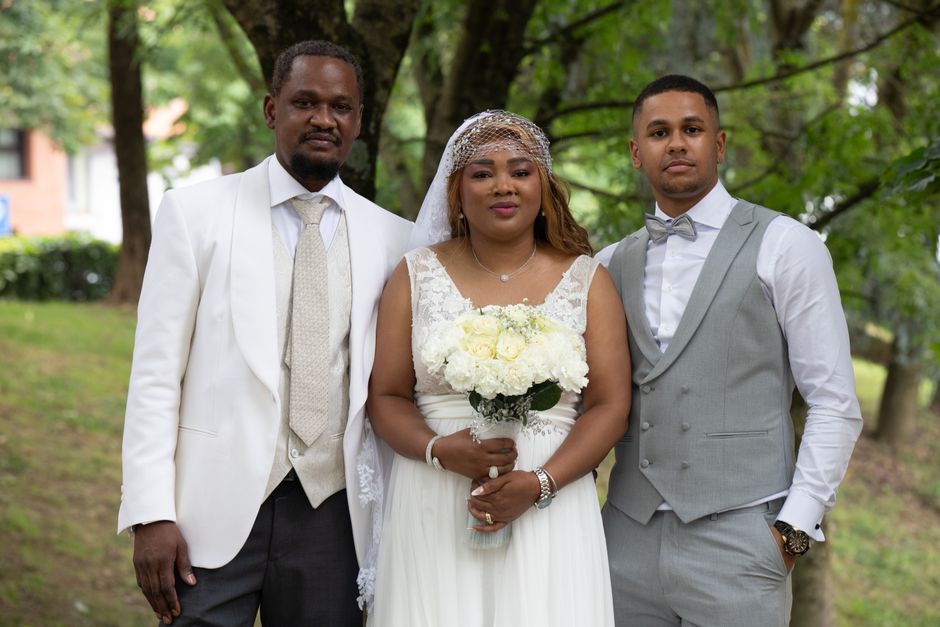
Common Mistakes to Avoid
There are a few mistakes that show up again and again. None are disastrous on their own, but they can make the bouquet feel less considered than it should.
- Choosing flowers without thinking about the venue. A bouquet can look beautiful on its own and still feel slightly off in context.
- Going too big too soon. Bigger is not always better. Oversized bouquets can hide dress detail or become tiring to carry.
- Ignoring flower conditioning. Freshness matters. Blooms need proper preparation to look their best on the day.
- Forgetting buttonholes and bridesmaid flowers. The main bouquet may be the star, but the supporting pieces are what make the whole design feel complete.
- Not checking delivery timing. A gorgeous bouquet is no help if it arrives too early, too late, or with no clear plan for storage.
- Overloading the colour palette. Too many competing shades can muddy the look, especially in photos.
A subtle mistake is using trendy flowers purely because they are trendy. That rarely ends well. Trends come and go, but the photos stay. Better to choose what fits the day and the people in it.
Another one: people sometimes forget how bouquets read from a distance. Up close, a design may feel rich and detailed. From across the room, you may only see shape and colour blocks. So if you want the bouquet to make an impact, think about both views. It matters more than most couples expect.
Tools, Resources and Recommendations
You do not need a box full of specialist tools to plan wedding flowers, but a few simple resources make the process much easier.
- Colour swatches or fabric samples: helpful for matching bouquet tones to dresses and table details.
- Venue photos: useful for seeing how light, architecture, and surrounding greenery might influence your choice.
- Flower care guidance: makes a genuine difference once the bouquet is delivered. A quick read of the flower care guide can help preserve freshness and handling quality.
- Delivery information: useful for coordinating arrival times and avoiding last-minute confusion. The delivery information page is worth checking early.
- Style comparison: if you are undecided, compare product types such as White Wonders bridal bouquet and The Perfect Match bridal bouquet to see which style feels closer to your day.
For couples who want to explore more than bouquets, the wedding section and complementary flower types can be very useful. You might look at wedding buttonholes, wedding corsages, and wedding table arrangements to make sure the whole floral story feels joined up.
If you prefer simpler decision-making, choose one starting point and build around it. A bridal bouquet first, then bridesmaid bouquets, then buttonholes. Nice and steady. No need to create a floral spreadsheet unless that is genuinely your kind of fun.
Law, Compliance, Standards, or Best Practice
Wedding flowers are not heavily regulated in the way some other services are, but there are still sensible best practices to follow. Good floristry should always be clear about what is being supplied, when it will be delivered, and what happens if something unexpected changes.
In the UK, it is normal to expect transparent ordering terms, clear payment information, and straightforward communication about substitutions if a specific flower is unavailable. That does not mean every bouquet has to be identical to a picture. Seasonal variation is part of floral work. The key is honesty and consistency.
It is also wise to pay attention to the following:
- Quality and freshness: flowers should be conditioned properly and handled with care.
- Delivery arrangements: timing matters, especially for weddings.
- Accessibility and clear communication: useful for couples, family members, and anyone collecting flowers on the day.
- Refund and substitution policies: important if plans change or a floral issue arises.
For reference, pages such as guarantees, returns and refund information, terms and conditions, and about us can help build confidence before ordering. That is not legal advice, of course, just sensible buying behaviour. You want clarity before the wedding week, not after the confetti has landed.
Best practice is simple: confirm the bouquet style, confirm the delivery window, confirm any substitutions policy, and keep a record of the final choices. That level of organisation saves a lot of stress. And let's be honest, weddings already come with enough of that.
Options, Methods, or Comparison Table
If you are choosing bouquets for a wedding at Cedars Park Cheshunt, it helps to compare common bouquet styles side by side. Here is a simple overview.
| Style | Best for | Look and feel | Practical notes |
|---|---|---|---|
| Round bridal bouquet | Classic, formal, polished weddings | Neat, balanced, timeless | Easy to photograph and comfortable for most brides |
| Loose hand-tied bouquet | Romantic, garden-inspired, relaxed venues | Soft, airy, natural | Works well with seasonal flowers and soft textures |
| Cascading bouquet | Dramatic or elegant statement weddings | Flowing, eye-catching, often luxurious | Can be heavier and needs thoughtful handling |
| Compact bouquet | Minimalist or smaller-framed brides | Clean, neat, understated | Good choice if you want comfort and simplicity |
| Matching collection | Weddings with a strong theme or coordinated party | Consistent across bridal, bridesmaid, and buttonholes | Makes styling easier and more cohesive |
For many couples, the deciding factor is not the bouquet type itself but how it feels in the hand and how it sits with the rest of the day. A bouquet can be lovely in theory and wrong in practice. A loose bouquet might be perfect for a garden feel, while a more structured arrangement may suit a sharper dress or a more refined setting.
If you want a ready-made floral direction, collections such as True Happiness wedding collection, Pure Romance wedding collection, or Royal Essence wedding collection can help narrow the choice quickly. It is often easier to decide from a coherent range than from dozens of single options.
Case Study or Real-World Example
Here is a realistic example based on the kind of wedding planning many local couples go through.
A couple planning a wedding near Cedars Park wanted a look that felt soft, elegant, and not too formal. The bride liked roses but did not want the bouquet to feel heavy or overly traditional. The venue was relaxed, with plenty of natural light, and the dress had lace detail across the bodice. They chose a loose bouquet with whites and pale blush tones, then paired it with smaller bridesmaid bouquets and simple buttonholes for the groom party.
What made the difference was not just the flowers themselves, but the balance. The bouquet was light enough to carry easily, had enough texture to show well in photographs, and tied into the rest of the styling without being repetitive. The couple also planned delivery early enough to allow for a calm setup, which reduced the "where are the flowers?" panic that can hit about thirty minutes before a ceremony. Anyone who has been near a wedding morning knows that feeling.
In a different version of the same wedding, they might have chosen stronger colour contrast, perhaps with richer pinks or deeper reds, if the dress and venue had called for it. The point is that the best bouquet is not abstractly "nice." It is the one that belongs to the day.
Practical Checklist
Use this checklist to keep bouquet planning simple and sane.
- Have you chosen the overall wedding style or mood?
- Does the bouquet colour work with the dress and bridesmaids' outfits?
- Have you decided on bouquet shape: round, loose, compact, or cascading?
- Have you thought about weather, season, and how long the flowers need to last?
- Are buttonholes, bridesmaid bouquets, and table flowers coordinated?
- Have you checked delivery timing and storage arrangements?
- Do you know what happens if a flower needs to be substituted?
- Have you considered flower care after delivery?
- Is the bouquet comfortable to hold for photos and the ceremony?
- Have you saved your final choices in one place so nothing gets lost?
If you can tick most of those off, you are in good shape. If not, no problem. Better to catch it now than on the morning itself, while someone is searching for ribbon and someone else is asking whether the buttonholes are in the car. It happens.
Get a free quote today and see how much you can save.
Conclusion
Bouquets for weddings at Cedars Park Cheshunt are about more than decoration. They shape the feel of the day, support the photography, and help the ceremony look and feel like yours. When the bouquet is chosen carefully, everything else tends to fall into place a bit more naturally.
The best results usually come from a simple, steady process: start with the venue and the dress, choose a bouquet style that feels comfortable, coordinate the supporting flowers, and pay attention to timing and care. That is the practical heart of it. Nothing overcomplicated. Just good decisions made in the right order.
If you are still deciding, trust the combination of instinct and practical detail. The right bouquet often feels obvious once you see it. And when it is right, you will know. There is a little lift in the room, a bit of quiet excitement, and suddenly the day feels properly underway.
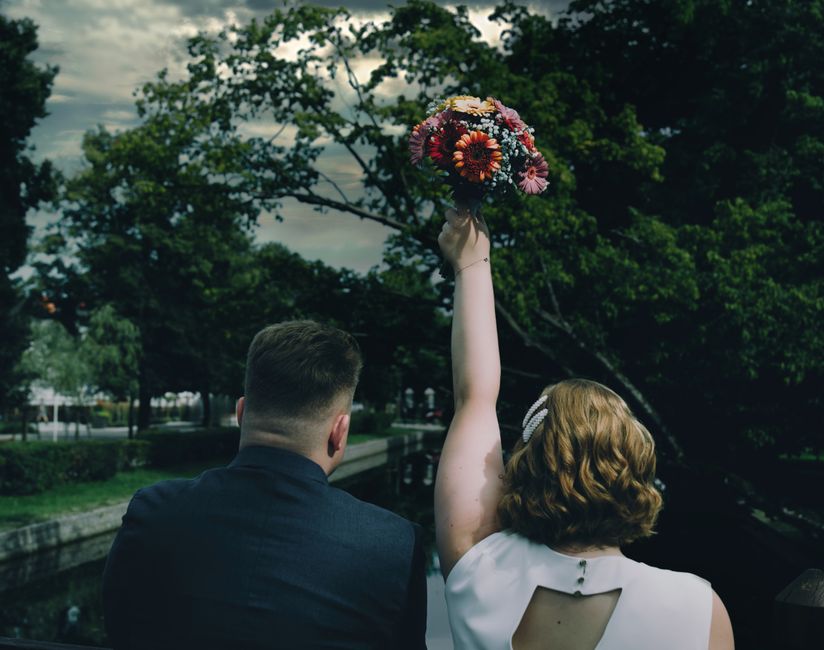
Frequently Asked Questions
What style of bouquet works best for a wedding at Cedars Park Cheshunt?
Soft hand-tied bouquets, round classic bouquets, and relaxed garden-style arrangements often work well because they suit a natural, local setting. That said, the best choice is the one that matches your dress, colour palette, and overall wedding mood.
Should bridal bouquets match bridesmaid bouquets exactly?
Not necessarily. It is usually better if they coordinate rather than copy one another exactly. Bridesmaid bouquets are often smaller or slightly simpler, which keeps the bridal bouquet special while still making the group look unified.
How far in advance should I order wedding bouquets?
It is sensible to start planning early, especially if you want a specific style or seasonal flowers. The exact timing depends on the flowers and the level of customisation, but leaving it too late can limit your choices.
Can I have seasonal flowers in my wedding bouquet?
Yes, and in many cases that is a very good idea. Seasonal flowers often look fresher and feel more natural. They can also make it easier to create a bouquet that suits the time of year and the venue atmosphere.
What flowers are popular for wedding bouquets?
Roses, lilies, orchids, lisianthus, hydrangeas, alstroemeria, and mixed seasonal blooms are all common choices. The best option depends on the look you want, the season, and how formal or relaxed the wedding is.
Do wedding bouquets need special care on the day?
Yes. They should be kept cool, handled gently, and delivered with enough time for setup. Simple flower care guidance can make a real difference to freshness and appearance, especially if there are photos before the ceremony.
Are bouquet delivery times important for weddings?
Very important. Timing affects freshness and reduces stress. If flowers arrive too early or too late, it can create unnecessary pressure on the day, so it is worth confirming the delivery window carefully.
Can I keep the bouquet budget-friendly without it looking cheap?
Absolutely. Using seasonal flowers, a simpler shape, or a focused colour palette can keep costs under control while still looking elegant. A thoughtful design often looks better than a crowded one, honestly.
What if a flower I want is unavailable?
Good florists usually suggest a suitable substitution that keeps the style and colour balance intact. This is normal in floristry, especially with seasonal blooms, so it is worth asking about substitution policies before you order.
Should the bouquet be designed around the dress or the venue first?
Usually both matter, but the dress often comes first because it is closer to the person carrying the bouquet. After that, the venue and the wider colour scheme help refine the final choice. The goal is harmony, not competition.
Can I use the same flowers in the bouquet and table arrangements?
Yes, and that is often a smart way to create visual consistency. Repeating one or two flowers across the bouquet, table arrangements, and buttonholes makes the whole wedding feel more joined up.
Where can I find coordinated wedding flower options?
It can help to explore a wedding collection rather than choosing each item separately. Pages such as the wedding collections, bridal bouquets, bridesmaid bouquets, and buttonholes give a clearer picture of what works together and can make decision-making much easier.